Lead in Paint: RI’s New Rental Registry Gets Boost from Legislature
Our research shows low compliance with lead certificates, but the sate’s rental registry could help.
Our research shows low compliance with lead certificates, but the sate’s rental registry could help.
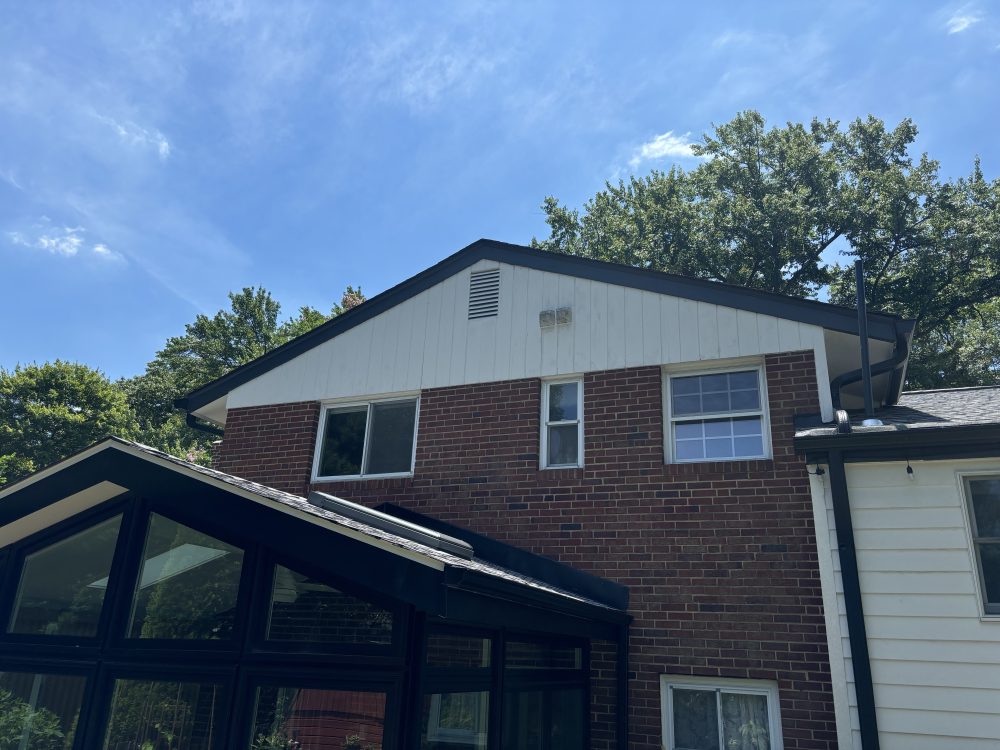
EPA’s lead-safe work practices should be the norm. Unfortunately, they are not.
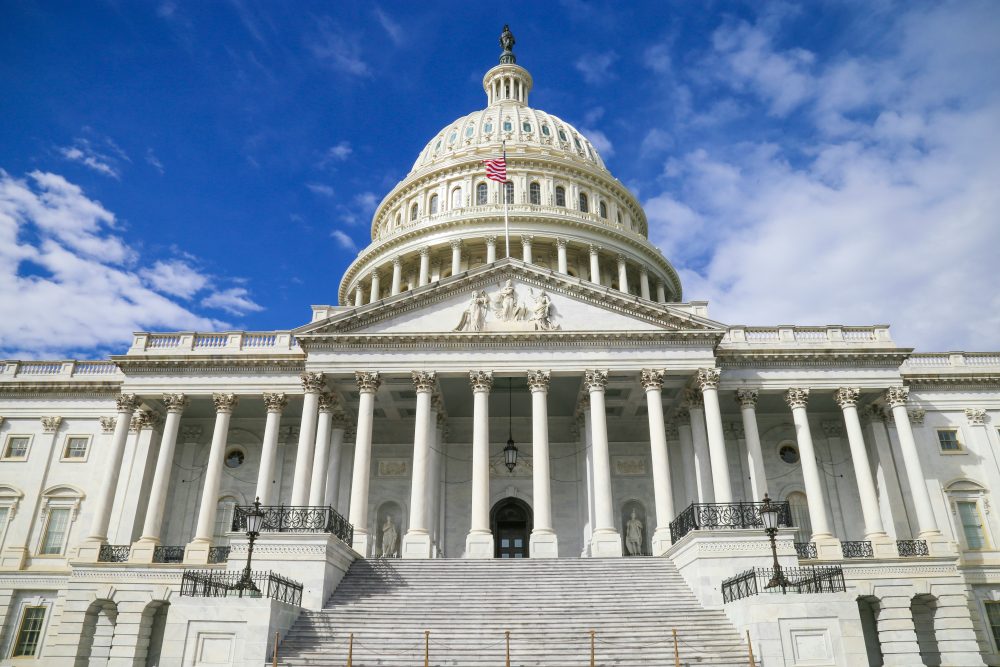
By August, the House and Senate appropriations committees are expected to consider HUD’s funding needs and pass funding bills for FY25. Congress should adopt an appropriations bill that addresses the statutory and administrative barriers that have hamstrung the program.
Unleaded Kids joined 10 other organizations in asking the Consumer Products Safety Commission (CPSC) to tighten its lead standards for new paint and children’s products.
Successfully reducing children’s exposure to lead requires collaboration between all stakeholders: private and public; health, environmental, and housing; and federal, state, and local. Collaboration is particularly important when it comes to sharing data that helps identify homes that have already exposed children to lead so that the causes and underlying issues can be addressed.
EPA ordered a property owner of an apartment complex in a renovated old factory in Connecticut to assess and clean up lead-based paint hazards after the agency determined the hazards “may present an imminent and substantial endangerment” to tenants. The agency acted pursuant to the Resource Conservation and Recovery Act (RCRA) as a backstop when the local health department lacked authority to address units where no young children lived.
This is the first time HUD has proposed a formula approach, saying it will “allow more efficient distribution of funding to the highest need communities, streamline the selection and award of grants for communities facing large lead paint problems.” The balance will be competitive and “open to a broader range of States, Native American Tribes, and communities with pre-1978 rental housing.”
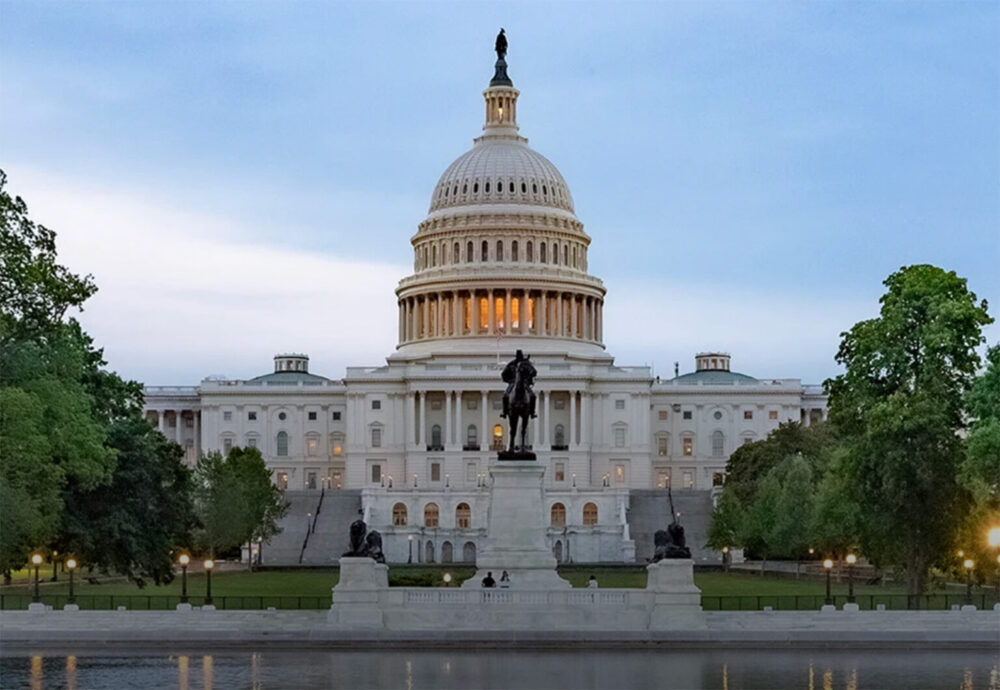
Congress cut HUD’s FY24 appropriations for its Lead Hazard Reduction Grant Program by 31%, from $290 to $200 million for FY24…Making matters worse, Congress also took back $65 million appropriated in FY22 for this program that HUD had until September 30, 2024, to obligate by issuing grants to communities to clean up lead-based paint hazards.
Rhode Island held an impressive second annual Summit to End Childhood Lead Poisoning cosponsored by the state’s Attorney General and Department of Health. I was honored to be able to join about 200 people who participated in person on February 2.